


Mindvalley: Self Improvement
4.11.94K Reviews
App Specs
- Version
- 9.2.29
- Updated On
- License
- Free
- Downloads
- 1,000,000+
- Developer
- Mindvalley Inc.
- Categories
- Education
- Platform
- Android
Screenshots


 Analysis by AppCompare
If you're anything like me, always on the lookout for ways to enhance your personal growth journey, then you might want to check out Mindvalley: Self Improvement. This app is like a treasure trove of courses, meditations, and talks from some of the biggest names in personal development. Let me walk you through my experience with it.
What to expect from a broad self-growth library
Before diving in, it helps to know what kind of learning experience you’re choosing. Mindvalley is an education app from Mindvalley Inc., and its approach is broader and more lifestyle-oriented than a conventional class app. Rather than focusing only on academic subjects or job skills, it brings together personal growth themes such as mindfulness, relationships, productivity, and spirituality.
That breadth is a real draw if you enjoy exploring how different parts of life connect. It can also make the first visit feel like a lot: a course, a meditation, and a daily practice may all look like equally good places to begin. I’d resist the urge to sample everything at once. Pick the issue you actually want to work on this week, then judge the app by whether it helps you take one useful step.
The app is free to install, with in-app purchases ranging from $0.99 to $399.99 per item. That distinction matters: free access does not mean every course or experience will necessarily be included without a purchase. I’d browse with a specific goal in mind and check the cost of anything you’re considering before committing. If you want a completely free library with no paid choices to navigate, a public meditation collection or a free educational platform may feel more straightforward.
Mindvalley has a 4.1 average from around 20,000 ratings, and more than a million installs. Those figures suggest that it has reached a substantial audience, but they don’t tell me whether a particular course fits your learning style. Its Everyone age rating makes it broadly accessible, while the ideas themselves are most useful when you’re willing to reflect and put them into practice.
Exploring the World of Mindvalley
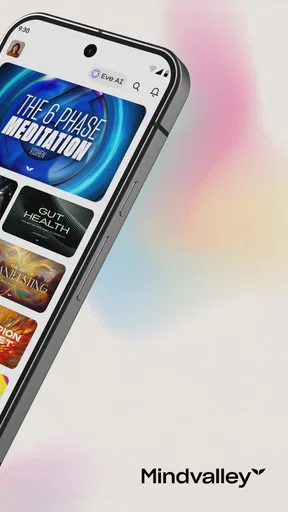
Right off the bat, Mindvalley: Self Improvement feels like a digital university for all things personal growth. It's packed with a plethora of courses across various domains like productivity, mindfulness, and even relationships. I was particularly intrigued by how well-organized everything was. The app's interface is sleek and intuitive, making it a breeze to navigate through the different sections.
Making a first choice without getting overwhelmed
When I first open a library this wide, my instinct is to browse until I find the perfect starting point. That can turn into an evening of collecting possibilities rather than learning anything. A more useful approach is to name one practical outcome before browsing: remember names more easily, make time for a morning pause, or clarify what matters in a particular area of life. Then choose the course or practice that seems closest to that outcome.
Worth Reading Before You Choose

EA SPORTS FC Mobile 26 Is a Bigger Football Game, but It Takes Time

Flipboard Shows What News Apps Must Do Beyond the Feed

Switching to Android Auto Means Rethinking Your Driving Routine

Google Calendar Makes a Crowded Week Easier to Manage

Ludo King Makes the Most of the Minutes Between Plans

Baby Panda World Brings Quick Play to Modern Phones, but Its Game Library Feels Busy
This small bit of preparation also helps you compare options fairly. A short meditation and a longer structured program do different jobs, so I wouldn’t judge one as a substitute for the other. If you have only a few minutes, choose a practice you can repeat. If you’re ready to work through an idea over time, a course may be a better fit. The first meaningful success is not finishing a whole program; it’s finding one lesson you can use today.
A Diverse Range of Courses
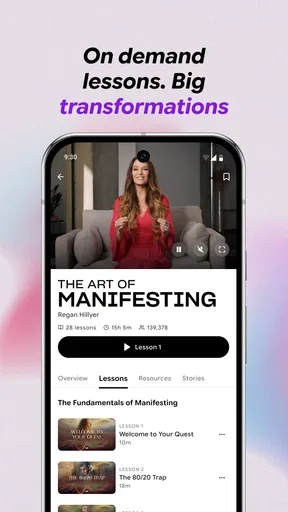
Once inside, I was like a kid in a candy store. The app offers a wide variety of courses taught by top-notch instructors. Whether you're interested in biohacking, entrepreneurship, or spirituality, there’s something for everyone. I personally found the course on "Superbrain" by Jim Kwik to be a game-changer. It’s all about enhancing memory and brain performance, and let's just say, I've become quite the trivia night champion since taking it!
Another standout is the "Lifebook" course, which is tailored to help you design your ideal life. It’s an in-depth program that guides you through different life categories, helping you set goals and visualize your future. I loved how it combines theory with actionable steps, making it easier to implement the learnings in real life.
Setting up a routine that survives a busy week
A course can feel inspiring while you’re watching it and still disappear from your life by the next morning. I’ve found it more practical to attach a lesson to something that already happens: listen after breakfast, reflect during a quiet lunch break, or write down one takeaway before closing the app at night. The point is to make the learning easy to return to, not to build an ambitious schedule that collapses after two days.
For a realistic first week, I’d choose one course or meditation rather than alternating among several. After each session, note a single action in your own words. A memory tip might become a deliberate effort to connect a person’s name with a detail; a life-planning prompt might become one question to discuss with a partner. This turns content into something testable. If the idea doesn’t help in the situation where you need it, you can adjust without feeling obliged to finish every item you started.
That is also where a little skepticism helps. Self-improvement content can be motivating, but motivation is not proof that a technique suits everyone. Treat suggestions as experiments: try them in a low-stakes setting, notice what changes, and keep what is useful. I would not treat a course as a replacement for professional help when a problem calls for that kind of support.
Meditations and Daily Rituals
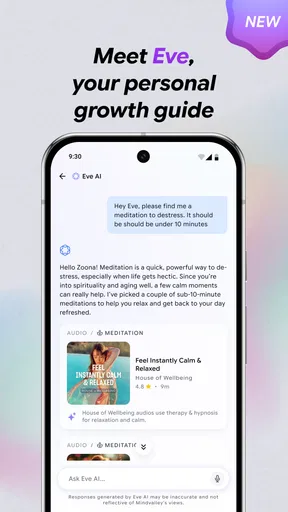
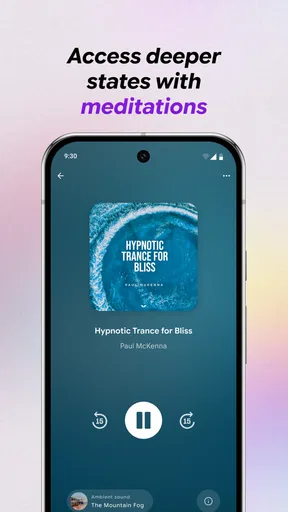
Now, if you’re into meditation or looking to start, Mindvalley has got you covered. The app includes a variety of guided meditations that cater to different needs. Whether you're looking to de-stress, improve focus, or enhance creativity, there’s a meditation for that. I particularly enjoy the "6 Phase Meditation" by Vishen Lakhiani. It's a powerful morning ritual that sets a positive tone for the day ahead.
Beyond meditations, the app also emphasizes the importance of daily rituals. These are simple, yet effective practices that can help you cultivate a positive mindset. I've started incorporating a few of these into my routine, and trust me, they make a difference!
A practical first session, not a perfect one
If you’re new to guided meditation, I’d make the first attempt deliberately ordinary. Sit somewhere you can pause without needing to perform, choose one practice that sounds relevant, and give it your attention without expecting an instant change in mood. Afterwards, ask a simple question: would I willingly do this again tomorrow? That answer is more useful than trying to decide whether you meditated “correctly.”
For a packed weekday, the app’s mix of learning and rituals can suit a small transition in the day. You might use a guided practice before opening your work messages, or listen to a lesson while settling into a quiet evening. The trade-off is that a ritual only becomes a habit if it fits your real schedule. If mornings are chaotic, don’t force the 6 Phase Meditation into them just because it is framed as a morning practice; choose a time you can actually protect.
Community and Interaction
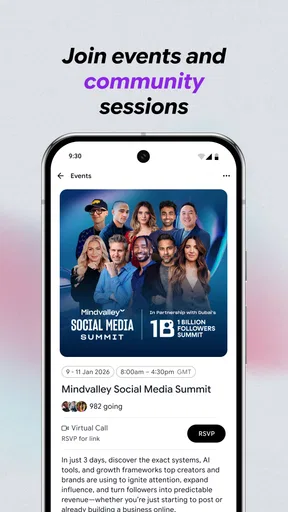
One of the coolest aspects of Mindvalley is the community feature. The app isn’t just about solo learning; it's about connecting with like-minded individuals. There are discussion boards and community groups where you can share insights, ask questions, and learn from others’ experiences. It’s like having a global support network at your fingertips.
Interacting with other users has been incredibly rewarding. It's amazing to see how people from different walks of life apply the teachings in their unique ways. This interaction adds a layer of richness to the overall learning experience.
Using community input without losing your own judgment
Community discussion can be especially useful when a lesson feels abstract. Instead of asking whether a course is “good” in general, I’d bring a specific question to the conversation: how did someone adapt a particular idea to a busy household, a new job, or a different routine? Other people’s examples can reveal practical interpretations you might not have considered.
At the same time, a group’s enthusiasm is not a guarantee that its preferred method will suit you. I treat shared experiences as prompts, not instructions. If you would rather learn privately, the community element may be easy to ignore; if you want a structured classroom with instructor feedback, discussion among app users is not the same thing. That distinction helps set realistic expectations before you invest time in a program.
The Learning Journey
Mindvalley isn’t just an app; it's a journey. The app encourages consistent learning by offering challenges and quests. These are structured programs that require daily commitment, helping you build habits over time. I embarked on the "Be Extraordinary" quest, which was all about unlocking my full potential. It was challenging, but the results were well worth it.
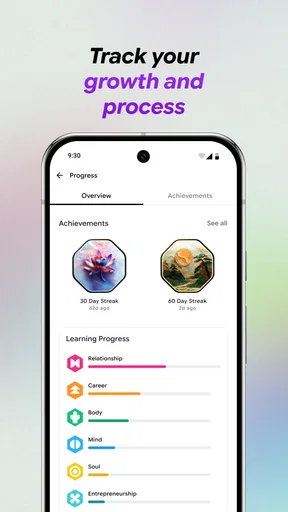
The gamified elements of the app keep things engaging. You earn points and badges as you progress, which is a nice motivational boost. It's a fun way to track your growth and celebrate small victories along the way.
How it compares with other ways to learn
Compared with a standard online course platform, Mindvalley leans more toward personal reflection and whole-life themes than a narrow curriculum aimed at a formal qualification. Compared with a meditation-only app, it offers a wider mix of lessons and community conversation, but that variety may be unnecessary if all you want is a quiet timer or a simple daily mindfulness prompt. A book can be cheaper and easier to keep on your shelf, while the app’s guided format may help if you prefer someone to lead you through an idea.
So I’d choose based on the kind of support you need. If you want inspiration across several areas and like learning through guided programs, this is a strong candidate. If you need a recognized credential, a tightly defined professional syllabus, or an entirely self-directed reading experience, a conventional course, specialist resource, or book may be a better match. The app’s value is in its particular blend, not in replacing every other way of learning.
Who will get the most from it—and who may not
I think Mindvalley suits curious learners who enjoy trying ideas, reflecting on them, and returning regularly. It can be especially appealing if you want to explore memory, life planning, meditation, or personal habits without limiting yourself to one subject. Its structured quests can give a sense of direction to someone who tends to start self-help books and then forget to revisit them.
I’d be more cautious if you dislike motivational framing, prefer evidence-heavy instruction in a narrow field, or get frustrated by paid options appearing alongside free access. It may also be a poor fit if you know you won’t make time for guided sessions and would rather read or search for one answer at a time. Being honest about that before starting is better than treating a large content library as a promise that you’ll automatically build a routine.
Practical details before you settle in
The current version is 9.2.21, and the app supports devices running Android 8.0 or later. It is free to install, but some purchases can be substantial, so I’d confirm the price attached to a specific item before starting a paid program. If you share a device or are helping someone else choose, remember that the Everyone rating describes the broad age suitability of the app; it doesn’t mean every personal-growth topic will feel relevant to every user.
One useful decision is whether you want to explore casually or follow a complete program. Casual browsing lets you sample the style, but it can make it harder to notice progress. A quest asks for more consistency, yet a daily commitment can be difficult during travel, demanding work periods, or family changes. I’d begin with a small practice, see whether the teaching style clicks, and only then decide whether a longer commitment makes sense.
Final Thoughts
In a nutshell, Mindvalley: Self Improvement is more than just an app; it's a gateway to a better you. It's perfect for anyone committed to personal development, offering a comprehensive suite of tools to help you grow in all aspects of life. Whether you're a beginner or a seasoned personal growth enthusiast, there's something here for everyone.
The app's community aspect, diverse range of courses, and focus on holistic growth make it a standout in the self-improvement space. So, if you're ready to embark on a journey of transformation, give Mindvalley a try. Who knows? It might just be the catalyst you need for your next big breakthrough.
My more grounded advice is to start with one small question rather than a grand plan. Pick a lesson or meditation that addresses something you can recognize in daily life, and make a note of one action you are willing to try. If it helps, keep going; if it doesn’t, use what you learned about your preferences to choose differently. The app is most convincing when its ideas become practical choices, not when you collect the most content.
Mindvalley’s appeal is also reflected in its 1.9 thousand reviews, though a large conversation around an app can’t settle whether its teaching style is right for you. Its release date was May 11, 2016, and the version number can change as the product develops. I’d treat those details as context, then make the decision based on the specific course, practice, and price that matter to you now.
Pros
- Extensive library of courses.
- High-quality video content.
- Engaging community features.
- Personalized learning paths.
- Offline access available.
Cons
- Subscription can be pricey.
- Limited free content.
- Some courses feel repetitive.
- Interface can be overwhelming.
- Requires strong internet connection.
FAQs for Mindvalley: Self Improvement
What is Mindvalley and how does it help with self-improvement?
Mindvalley is a personal growth platform that offers a wide range of courses and masterclasses designed to help users improve various aspects of their lives, such as mindfulness, productivity, and personal development. It provides tools and teachings from renowned experts to guide users on their path to self-improvement.
How does the Mindvalley membership work?
Mindvalley offers a membership that grants access to its entire library of courses and programs. Users can choose from monthly or yearly subscriptions, which include exclusive content, community access, and live sessions. This membership ensures users have comprehensive resources for personal growth at their fingertips.
Is Mindvalley available on both Android and iOS devices?
Yes, Mindvalley is available for download on both Android and iOS devices. Users can access the app through Google Play Store for Android devices and the App Store for iOS devices, ensuring a seamless experience across different platforms for continuous learning and self-improvement.
What kind of content is included in Mindvalley courses?
Mindvalley courses cover a diverse range of topics including meditation, fitness, emotional intelligence, and entrepreneurship. Each course is designed by leading industry experts and includes video lessons, interactive exercises, and community discussions, aiming to provide a holistic learning experience for users.
Can I try Mindvalley before committing to a subscription?
Mindvalley often offers a free trial period for new users, allowing them to explore the platform and experience its courses before committing to a subscription. This trial provides a risk-free opportunity to understand the app’s offerings and decide if it aligns with the user's self-improvement goals.


